Why Aging Plumbing Systems Cause Hidden Mold in Older Alhambra Homes
Older Alhambra homes hide mold behind walls where galvanized pipes and cast iron drains have been weeping for years. Here is how to find it and what to do.
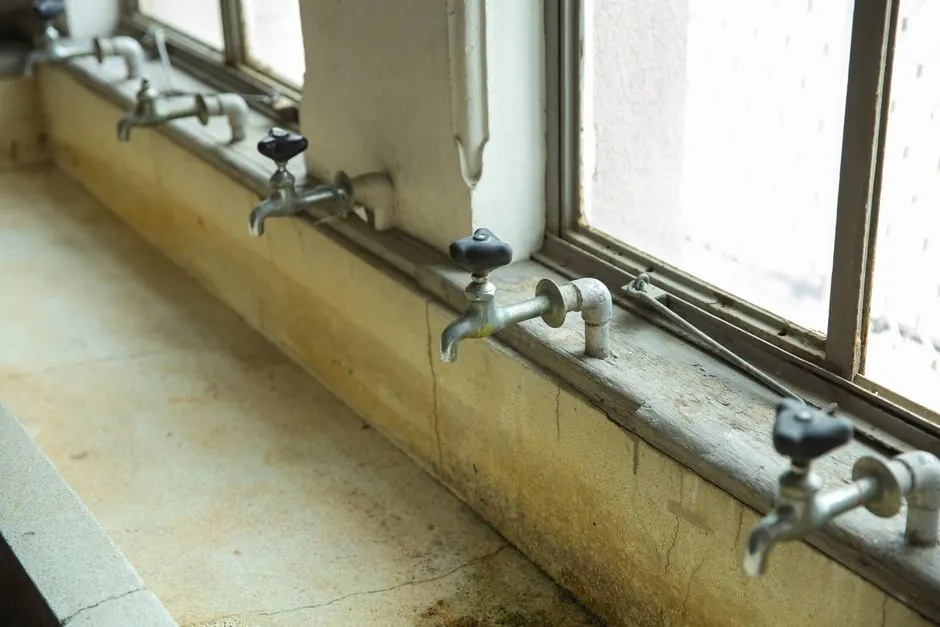
Hidden mold from aging plumbing in Alhambra homes happens because decades-old galvanized steel and cast iron pipes develop pinhole leaks and joint failures that drip inside wall cavities for months before anyone notices. Those slow drips keep framing lumber and drywall paper damp enough for mold to colonize in as little as 48 hours after each wet cycle. This post explains why older Alhambra plumbing fails the way it does, how to spot the signs before the damage spreads, and when to bring in a pro.
Alhambra has one of the densest concentrations of pre-1960 housing stock in the San Gabriel Valley. A large share of the single-family homes and small apartment buildings between Main Street and Valley Boulevard still run on original galvanized supply lines. Those pipes were never meant to last 70 years. When they fail, they fail quietly, inside the wall, behind the vanity, or under the slab.
Why Old Plumbing Systems Leak in Alhambra Homes
Galvanized steel pipes corrode from the inside out, and Alhambra's water chemistry accelerates that process. The city draws from a blend of groundwater and imported supplies that carries moderate mineral content. Over 50 to 70 years, that mineral load deposits on the pipe walls, narrows the bore, and eventually pits the steel until a pinhole opens. The first sign is usually a pressure drop at the shower, not a puddle.
Cast iron drain lines fail differently. They crack at the hub joints and along the horizontal runs under the house. In older Alhambra homes with raised foundations, those cracks drip into the crawlspace and the subfloor framing. You smell it before you see it.
Three failure patterns show up on almost every inspection we run in these neighborhoods:
- Pinhole leaks in galvanized supply lines - usually behind kitchen walls, under bathroom vanities, or in the ceiling above the hallway.
- Failed cast iron drain joints - under the house, at the base of the toilet flange, or where the main line exits toward the street.
- Failing supply shutoff valves - the angle stops under every sink and toilet. When these weep, the cabinet base stays wet for weeks.
If your home was built before 1965 and still has the original plumbing, you are living with a system that is statistically overdue for failure. That is not a scare tactic. It is what we find on nearly every older home we inspect in Alhambra and the surrounding tracts.
For homeowners who want the full picture on what we do after we confirm a problem, our Mold Removal Alhambra CA service covers the entire process from inspection to clearance.
How Hidden Mold Grows Behind Walls in Alhambra Homes
Hidden mold behind walls in Alhambra homes needs three things: moisture, organic material, and still air. A slow pipe leak delivers all three. Drywall paper is cellulose. Wood framing is cellulose. The wall cavity behind your kitchen cabinets is a dark, unventilated box that stays at 70 to 80 degrees year-round in Alhambra's climate. Once the relative humidity inside that cavity climbs above 60 percent, mold spores that are already present in every home's dust start to germinate.
Mold from deteriorating plumbing in Alhambra, California often goes undetected for a simple reason: the leak is small enough that it never reaches the floor. A pinhole leak spraying a fine mist inside a wall cavity wets the back of the drywall and the face of the stud. The front of the drywall looks fine for months. By the time a stain appears on the painted surface, the mold colony behind it has usually been growing for 8 to 12 weeks.
We have pulled baseboards in Alhambra homes where the drywall looked clean but the back side was black with Stachybotrys or Aspergillus. The homeowner had no idea. The only clue was a musty smell in the hallway that they had chalked up to old carpet.
Older home plumbing moisture problems in Alhambra CA also feed mold in places you would not expect: inside the wall behind the refrigerator ice maker line, under the dishwasher, and around the water heater closet. Those are the three most common spots we find active growth during a standard inspection.
Signs of Hidden Mold from Aging Plumbing in Alhambra Homes
Plumbing leak mold signs in older Alhambra homes are easy to miss because they mimic other household problems. The musty odor in the hallway gets blamed on the dog. The warped baseboard gets blamed on the foundation. The higher water bill gets blamed on the kids. Here is what to actually watch for:
- A musty, earthy smell in one room or one hallway that does not go away after cleaning. This is the single most reliable indicator of hidden mold.
- Paint or drywall that feels soft or bubbles when you press it. If the surface gives, the paper behind it is wet.
- Baseboards that pull away from the wall or show a dark line along the top edge.
- Water stains on the ceiling below a bathroom - even faint, dried ones. Every stain was a leak at some point.
- A water bill that creeps up 10 to 20 percent with no change in usage. That is a leak running somewhere you cannot see.
- Peeling wallpaper or paint in a bathroom or kitchen, especially near the sink cabinet.
If you notice two or more of these, you have a plumbing moisture problem that has likely been active for weeks. The mold is already there. The question is only how far it has spread.
If you are in one of the older tracts near the parks, we see this constantly. Homes around Mold Removal in Almansor Park and the surrounding streets are some of the oldest in the city, and the plumbing reflects it.
Common Mistakes Homeowners Make with Slow Pipe Leaks
The biggest mistake is repairing the pipe and assuming the mold goes away. It does not. Once mold has colonized drywall paper or wood framing, killing the moisture source only stops new growth. The existing colony stays alive as long as the material stays above roughly 20 percent moisture content, which it can for weeks after the leak is fixed because the wall cavity has no airflow.
Other mistakes we see regularly:
- Painting over a water stain. The stain is a symptom. Paint traps moisture against the drywall and makes the mold problem worse.
- Running a household fan and calling it drying. A box fan moves air across the surface. It does not dry the inside of a wall cavity. You need directed airflow and dehumidification for 3 to 5 days.
- Bleaching the visible mold. Bleach kills surface mold on non-porous materials. It does not penetrate drywall paper or wood, and it does not address the colony behind the surface.
- Waiting for the smell to get worse. By the time the smell is strong, the colony has usually spread to a 10 to 15 square foot area or larger.
- Not testing the air. Visible mold is only part of the problem. Spores circulate through the HVAC system and settle in other rooms.
If you have already had the pipe repaired and you still smell that musty odor, the mold is still active. That is the point at which a professional inspection pays for itself.
When to Book a Mold Inspection for an Older Alhambra House
Book a mold inspection for an older Alhambra house within 48 hours of discovering any slow leak, water stain, or persistent musty smell. Do not wait for visible black mold. In a home with original galvanized plumbing, the mold is almost always behind the wall before you see it on the surface.
Our Mold Inspection Alhambra CA process starts with a moisture mapping of every wall that shares plumbing with the affected area. We use thermal imaging and pin-type meters to find wet cavities without cutting open every wall. Then we take air and surface samples to confirm what is growing and how far it has spread.
You should also book an inspection if any of these apply:
- Your home was built before 1965 and has never had a plumbing moisture inspection.
- You have had two or more slow leaks in the past three years.
- You are buying or selling an older Alhambra home and the seller cannot document the plumbing history.
- Anyone in the household has unexplained allergy symptoms that get worse at home.
- You are planning a kitchen or bathroom remodel and will be opening walls anyway.
If the inspection confirms growth, we move into Residential Mold Remediation Alhambra CA - containment, removal of affected materials, HEPA filtration, and structural drying. Typical 2026 pricing for a single-wall hidden mold remediation in Alhambra runs $1,800 to $4,500 depending on how far the moisture traveled and whether framing needs to be replaced.
When to Call a Professional
Call a professional when the mold is behind a wall, under a floor, or inside a cabinet you cannot fully access. Surface mold on a shower tile is a DIY job. Mold growing on the back of drywall that was fed by a slow pipe leak is not. The containment alone - plastic sheeting, negative air pressure, HEPA scrubbers - is not something you can set up with a shop vac and a fan.
Alhambra Mold Shield handles the whole sequence: we locate the moisture source, document the extent with moisture readings and photos, remove affected materials under containment, treat the framing, dry the cavity, and verify clearance before we close anything up. We work in the older homes around Mold Removal in Bean Tract and across the city every week, so we know what these walls look like when we open them.
If you are not sure whether you have a problem, call us and describe what you are seeing and smelling. We will tell you honestly whether you need an inspection or whether you can handle it yourself.
Frequently Asked Questions
Can aging plumbing cause hidden mold in an Alhambra home?
Yes. Galvanized steel and cast iron pipes in pre-1965 Alhambra homes develop pinhole leaks and joint cracks that drip inside wall cavities for weeks. That sustained moisture feeds mold growth on drywall paper and wood framing long before any stain appears on the surface.
How can I tell if a slow pipe leak caused mold behind a wall?
The most reliable sign is a musty, earthy smell in one room that does not go away after cleaning. Other indicators include soft or bubbling drywall, baseboards pulling away, faint ceiling stains, and a water bill that has crept up 10 to 20 percent with no change in usage.
When should I get a mold inspection after a plumbing leak in Alhambra?
Within 48 hours of finding the leak. Mold can start colonizing within 24 to 48 hours of a wet event, and in a wall cavity it spreads undetected for 8 to 12 weeks before you see surface evidence. Early inspection limits the scope and the cost of remediation.
Why do older homes develop mold around plumbing?
Older homes have three risk factors at once: aging pipes that leak, wall cavities with no airflow, and organic building materials like drywall paper and wood framing. Alhambra's warm, stable indoor temperatures keep those cavities at mold-friendly conditions year-round.
Can hidden mold remain after a small leak is repaired?
Yes. Fixing the pipe stops new moisture but does not kill existing mold. Drywall paper and framing can stay above 20 percent moisture content for weeks after a repair, which keeps the colony alive. You need professional drying and, in most cases, removal of affected materials.
Get Help with Mold Removal in Alhambra
If you have an older Alhambra home with original plumbing and you smell something musty, do not wait for the stain to appear. Call Alhambra Mold Shield at (626) 254-4161 and we will schedule a moisture inspection, find the source, and give you a clear scope before any work begins.
We handle hidden mold from aging plumbing in Alhambra homes every week - inspection, testing, remediation, drying, and repairs. One call, one team, one clearance test at the end.